Sectors

Industrial & Manufacturing

Industrial development gives commercial intention a productive system: a place, a process and the capacity to deliver consistently.

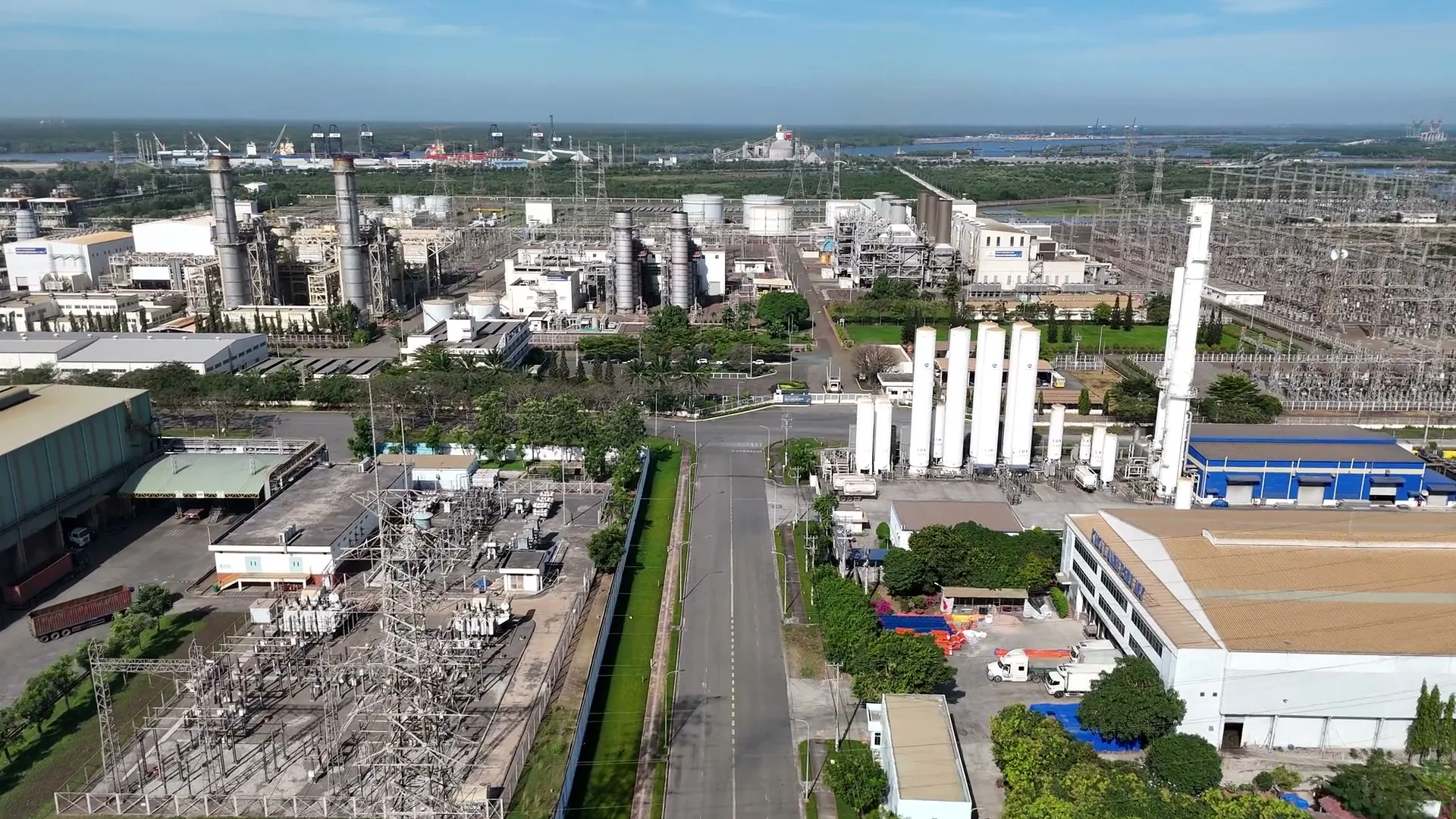
Aerial view of an industrial campus with production buildings, access roads and operating infrastructure
Area of interest & prospective collaboration

Productive Value Is Created Through The Relationship Between What A Market Needs And What An Enterprise Can Reliably Make Possible

An industrial opportunity connects demand with a complex set of practical requirements. Inputs, production capability, location, logistics, operating teams and market access must work together. A facility can be physically impressive while its commercial system remains unresolved. APDC explores industrial and manufacturing development as an area of prospective collaboration, focusing on the business proposition and the partnerships needed to examine a credible route forward.

An Operating System For Productive Activity

  • Inputs

    Materials, skills and supply requirements.

  • Production

    Capacity, processes and technical dependencies.

  • Logistics

    Movement, access and supporting infrastructure.

  • Demand

    Customers, market access and operating economics.

Opportunity Themes.
Specific Questions

These are themes for discussion. They do not represent a disclosed portfolio of completed APDC mandates.

Industrial Estates And Manufacturing Facilities

Industrial development is an arrangement of productive relationships: inputs, processes, people, distribution and the continuity of operations. The physical facility is one part of that wider commercial system.

Considerations And Starting Output

Establish operator needs, production intent, utilities, land requirements and phased growth assumptions. APDC may support development priorities and prospective partner coordination with qualified providers.

Potential Starting Output: Operator brief and development priorities.

Warehousing And Logistics Facilities

A warehouse serves a pattern of movement. Storage requirements, turnover, location and distribution needs should shape the development concept before a building specification is treated as settled.

Considerations And Starting Output

Explore the intended users, servicing requirements, access and operating dependencies. Link technical decisions to the operator’s requirements and appropriate specialist input.

Potential Starting Output: Commercial requirements and interface map.

Cold Chain And Food Processing Assets

Productive continuity can depend on conditions that are invisible in a general property concept. Temperature control, handling, reliability and process interfaces influence how a food-related asset must function.

Considerations And Starting Output

These are prospective industrial asset themes. Assess the operator proposition and identify food, process and technical specialists before progressing detailed feasibility. APDC does not claim food certification or agronomy expertise.

Potential Starting Output: Operating assumptions and specialist requirements.

The System Behind The Facility

The physical asset is one part of an industrial proposition. Procurement, process requirements, quality expectations, distribution and customer relationships influence its commercial character. Reading these elements together helps a sponsor identify where the concept is already supported and where a specialist input or operating relationship is still required.

Place, Movement And Continuity

Location affects the movement of materials, access to services, workforce considerations and the relationship to customers. These dependencies can influence both development planning and future operations. Appropriate technical and commercial assessment should establish which location requirements are essential and which assumptions need further investigation.

Partnerships That Support Productive Capability

An opportunity may call for a manufacturing specialist, a technology provider, an operator, a logistics relationship or commercial access. The relevant contribution should be defined around the needs of the business model. APDC can explore these partnership requirements while technical and professional responsibilities remain with the qualified providers appointed to undertake them.

The Questions That Give
An Opportunity Substance

Demand, input availability, production requirements, site suitability, logistics, operating economics and specialist responsibilities all influence an industrial pathway. A development discussion should consider the continuity of the operating system, rather than focusing solely on construction or initial equipment requirements.

  • What demand would the proposed operation serve?
  • Which inputs, capabilities and relationships are essential?
  • What site and logistics requirements affect the proposition?
  • Who would establish and sustain the operating capability?

APDC’s Relevant Role

APDC can explore commercial priorities, prospective partner criteria and development coordination requirements with sponsors and relevant industry specialists. Operating responsibilities and specialist technical work are defined with the relevant project participants and appropriately qualified providers.

A Place For Complementary Strengths

We welcome introductory conversations with manufacturers, project sponsors, technology providers, operators and other organizations whose capabilities may complement a defined industrial opportunity.

Explore Partnership Pathways

A Sector Is The Context. The Venture Is The Question

An opportunity in this sector may centre on an asset, an operating business or a technology proposition. Select the pathway that reflects the work and evidence required.

Consider The Opportunity
Within Its Context

Share the sector, location and present stage, and the question the next conversation should address.

Discuss An Opportunity
APDC Guide

Where Would You Like To Begin?

Choose the conversation closest to your requirement.

A navigation guide to APDC’s published information. For a project-specific discussion, contact the company.

Contact APDC