Productive Space Begins With Productive Activity
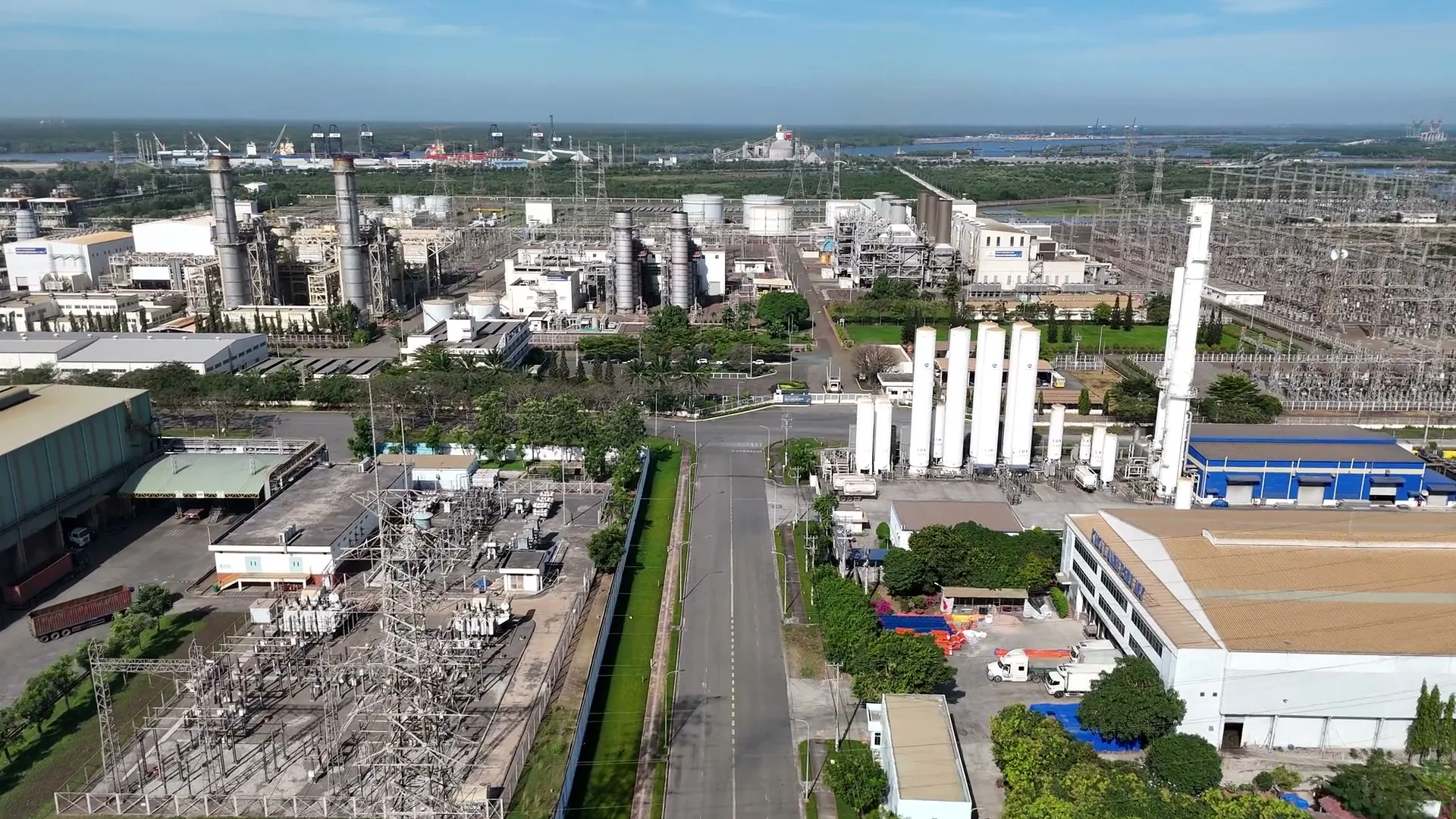
An industrial asset derives its usefulness from the operation it enables. Inputs arrive, work is performed, products move and supporting services keep that sequence functioning. A development concept should begin with these relationships. Treating the building as an isolated commodity can obscure the requirements that will determine whether an operator can use it effectively.
Understand The Operator Before The Specification
Clarify the intended activity, expected users, material flows and operating conditions. Manufacturing, warehousing and cold-chain facilities have different needs. The early brief should give qualified specialists enough context to identify the relevant technical questions without pretending that general commercial coordination can settle them.
The Dependencies Behind An Operating Asset
Inputs
Supply, labour and resource requirements.
Production
The process and capacity the asset supports.
Movement
Access, storage and logistics interfaces.
Demand
Customers and the operating rationale.
Locate The Critical Interfaces
Access, utilities, handling, maintenance and distribution connect the asset to systems beyond its boundary. Identify which parties control those interfaces and what evidence is available about them. Dependencies should be visible in the development roadmap so that the project does not progress on the assumption that an essential connection will simply be available.
Consider Phasing And Continued Use
A facility may be required to grow with the operator or support a changing pattern of demand. Examine which elements need to be provided initially and which remain future options. Any flexibility has practical and commercial conditions that should be assessed with the appropriate providers, rather than described as an unlimited benefit.
Define A Proportionate Development Role
Industrial and logistics themes are areas of prospective collaboration for APDC. A potential engagement may concern commercial requirements, operator alignment or partnership coordination. Technical design, process assurance and certifications require qualified providers. An initial conversation should establish the particular opportunity and the limits of the role being considered.
This perspective provides general development information. Project-specific technical, legal and financial judgements require appropriate professional input.